What a review is for
Buyers in Milford ask for one when the home inspector flags the roof but cannot say how long it has left. Sellers ask for one to head off a renegotiation. Homeowners ask for one when they want to know whether to budget for a roof in 2 years or 10. Insurance companies increasingly ask for one before renewing a policy on a roof over 20 years old.
In each case the deliverable is the same: a report that states what the roof is, how old it appears, what condition it is in, what would need repair now, and how many years of service remain if those repairs are made.
What gets examined
The attic is the first stop. Staining, mold, daylight, wet insulation, bathroom fans venting into the attic instead of outside, and the ventilation setup are all recorded. Then the roof is walked where the pitch allows and inspected from a ladder and a drone where it does not.
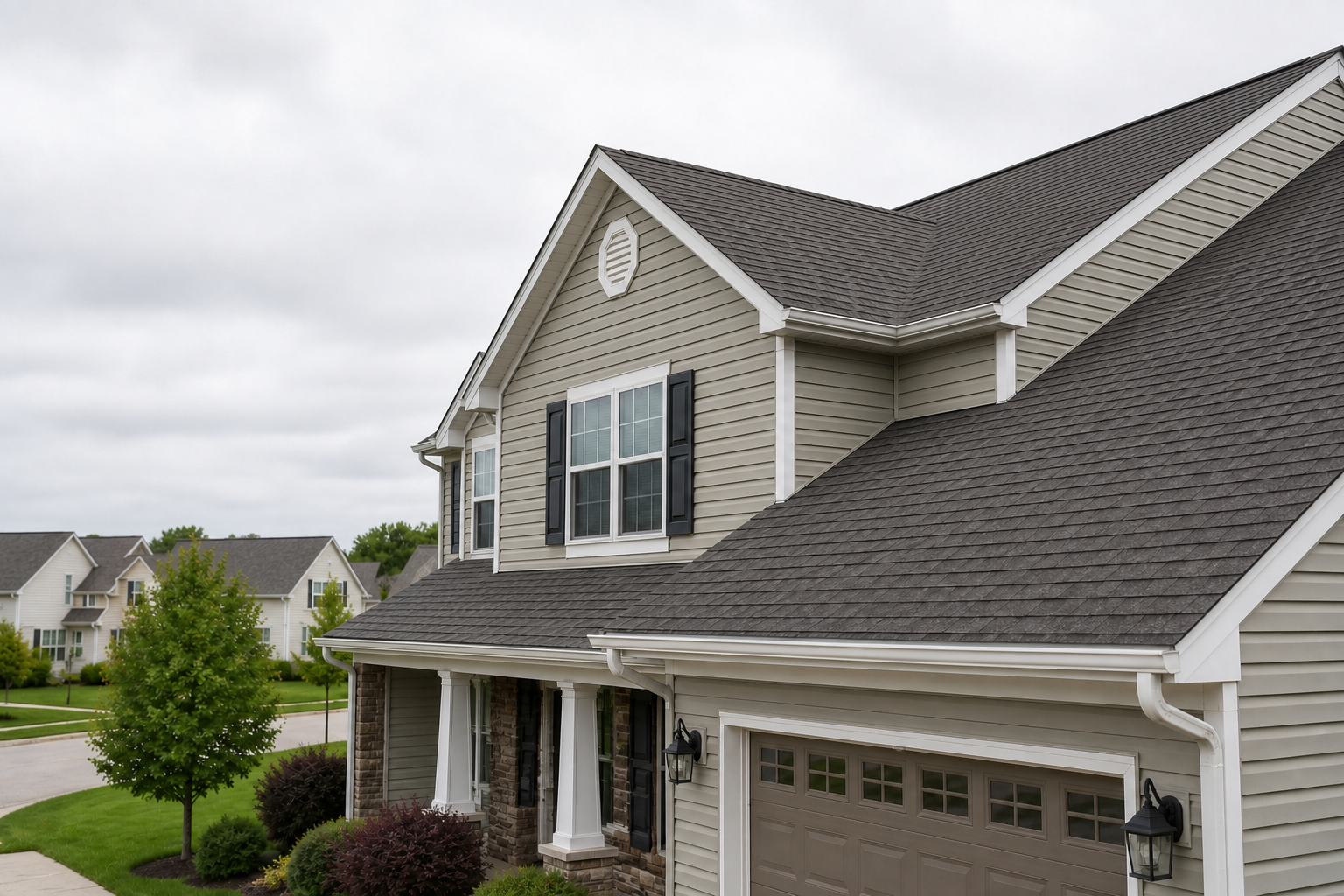
On the roof: shingle age and granule loss, seal strip condition, nail pattern where visible, number of layers, flashing at every penetration, valley condition, gutter pitch and debris, and any evidence of past repairs. Each finding is photographed and located on a simple roof sketch.
The remaining-life estimate
The estimate is stated as a range, for example 5 to 8 years, with the reasoning. A 22 year old three-tab roof on a south-facing slope near the water with visible cracking is at end of life. A 14 year old architectural roof inland with sound seals and one cracked pipe boot has 15 or more years left after a small repair. The report explains which factors moved the number.
The repair list
Repairs are listed in priority order: anything actively leaking, anything that will leak within a year, and anything that would extend life if done. Each item carries a short description of the work. The list is written so a homeowner can hand it to any contractor and get comparable quotes.
Insurance and real estate use
For a home sale, the report is formatted so it can be attached to disclosures or shared with the buyer's agent. For an insurance renewal, it includes the specific items carriers ask about in Connecticut: layer count, age, material, visible damage and whether the roof meets the current wind fastening standard.
For a storm claim, the review documents the pre-existing condition separately from the storm damage, which is the distinction adjusters spend most of their time on.
What a review is not
It is not an estimate for a new roof and it is not a sales visit. If replacement is the right answer the report says so with the reasoning, and a separate scope is provided only if asked for. The point is to give the homeowner a document they can trust because it was not written to sell them anything.